
Clean Record? What if social media derails your plans?
.avif)





.avif)
.avif)
.avif)
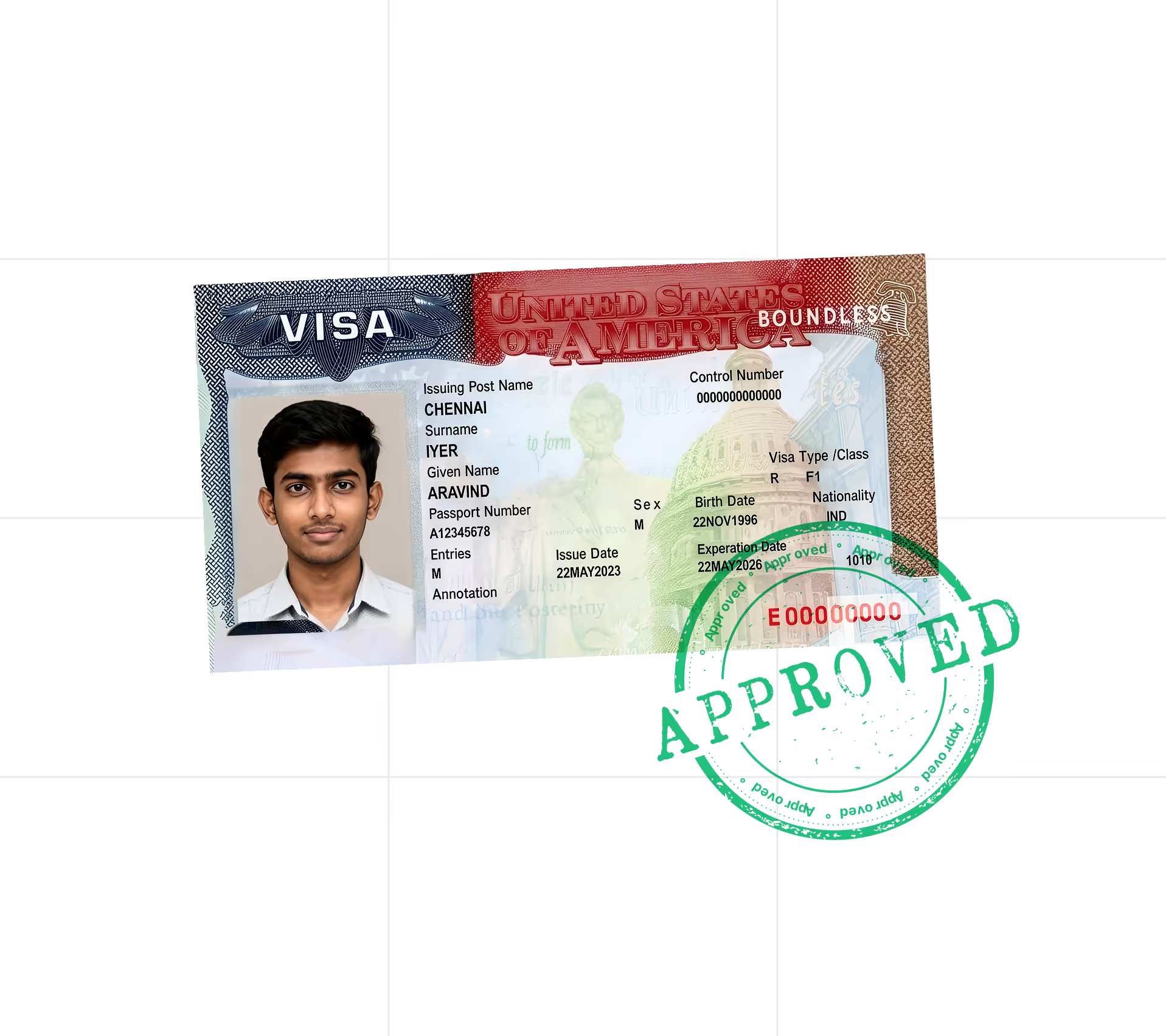
US cracks down on major visa application categories
“Every visa adjudication is a national security decision.”
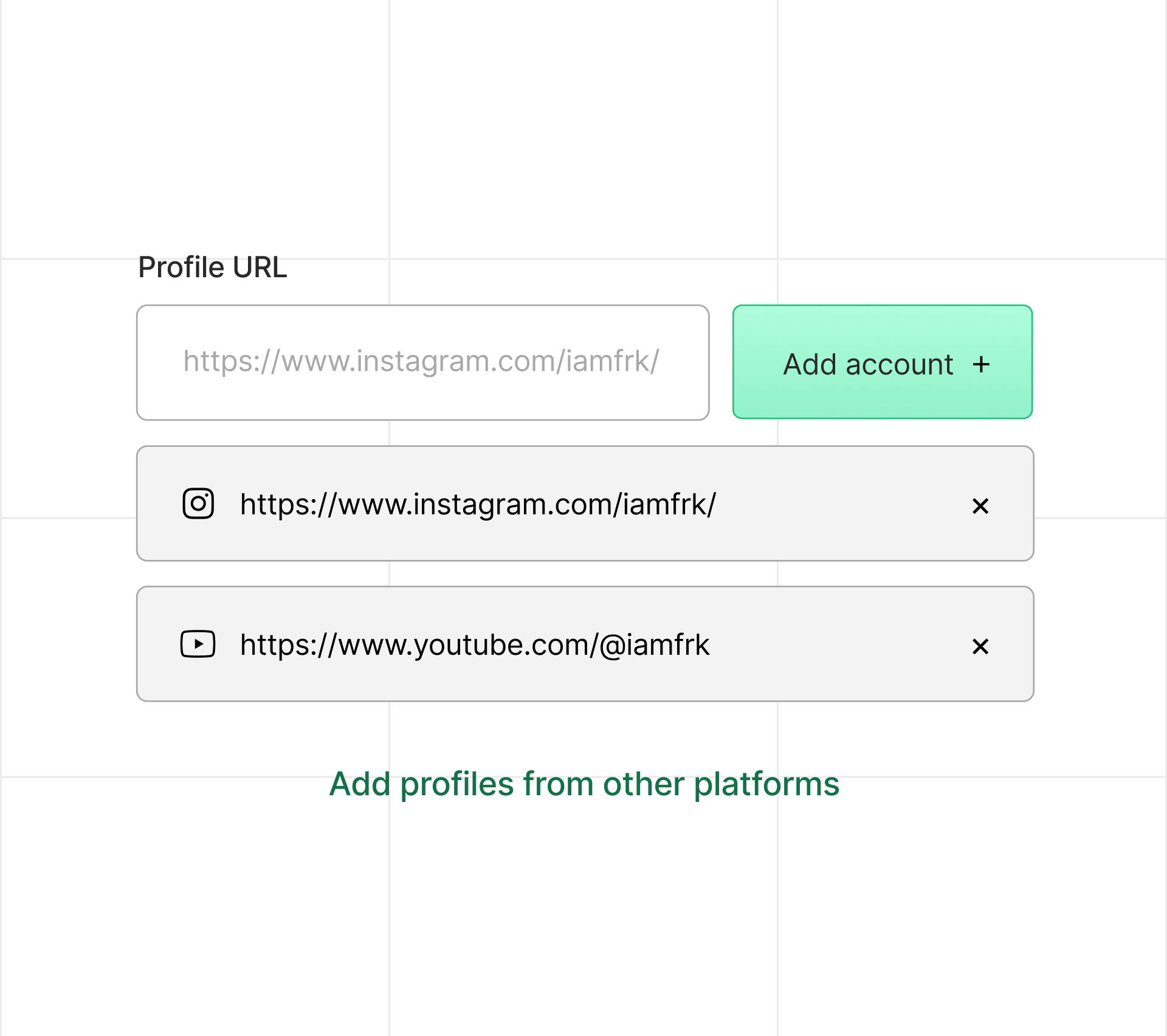
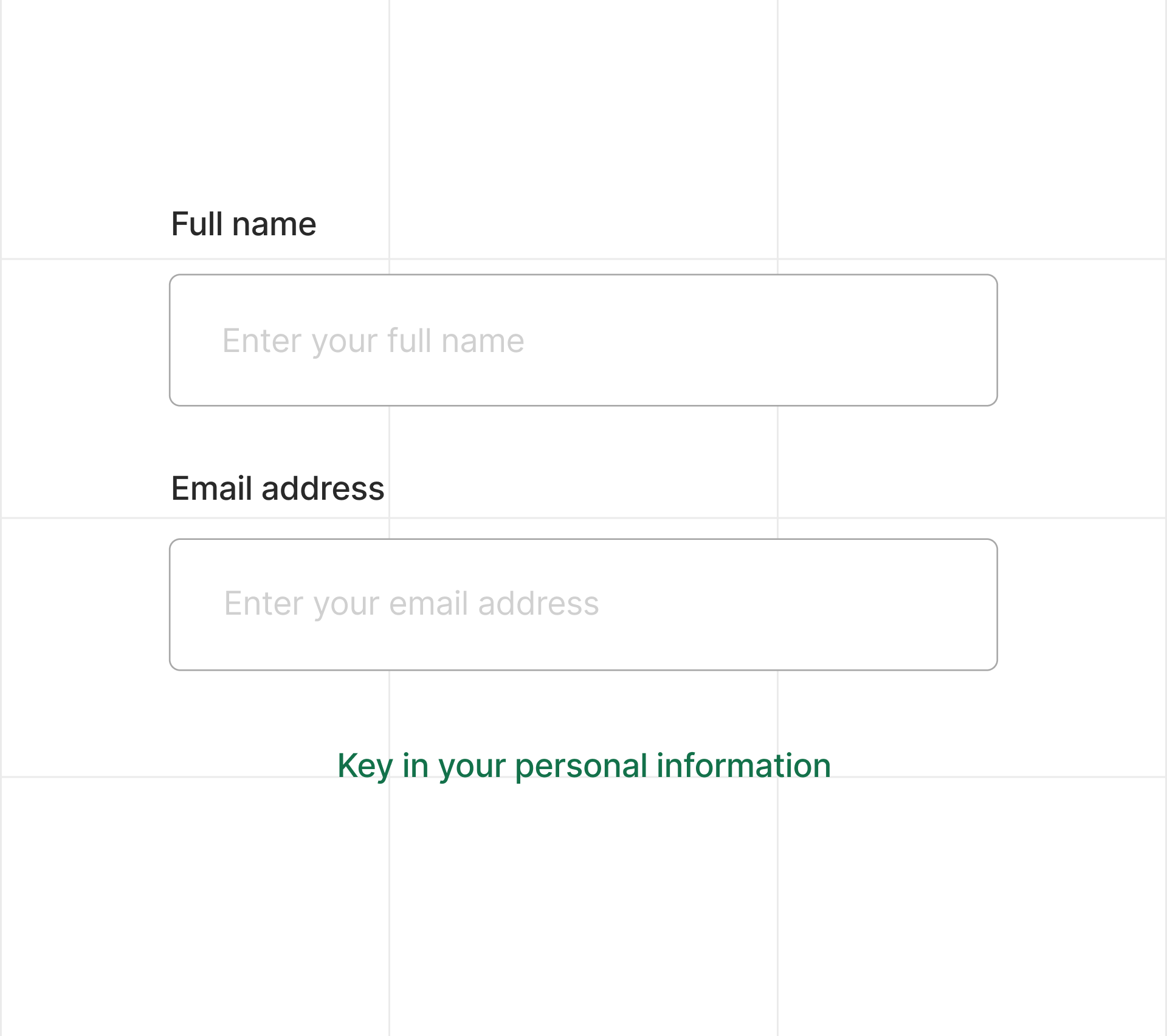
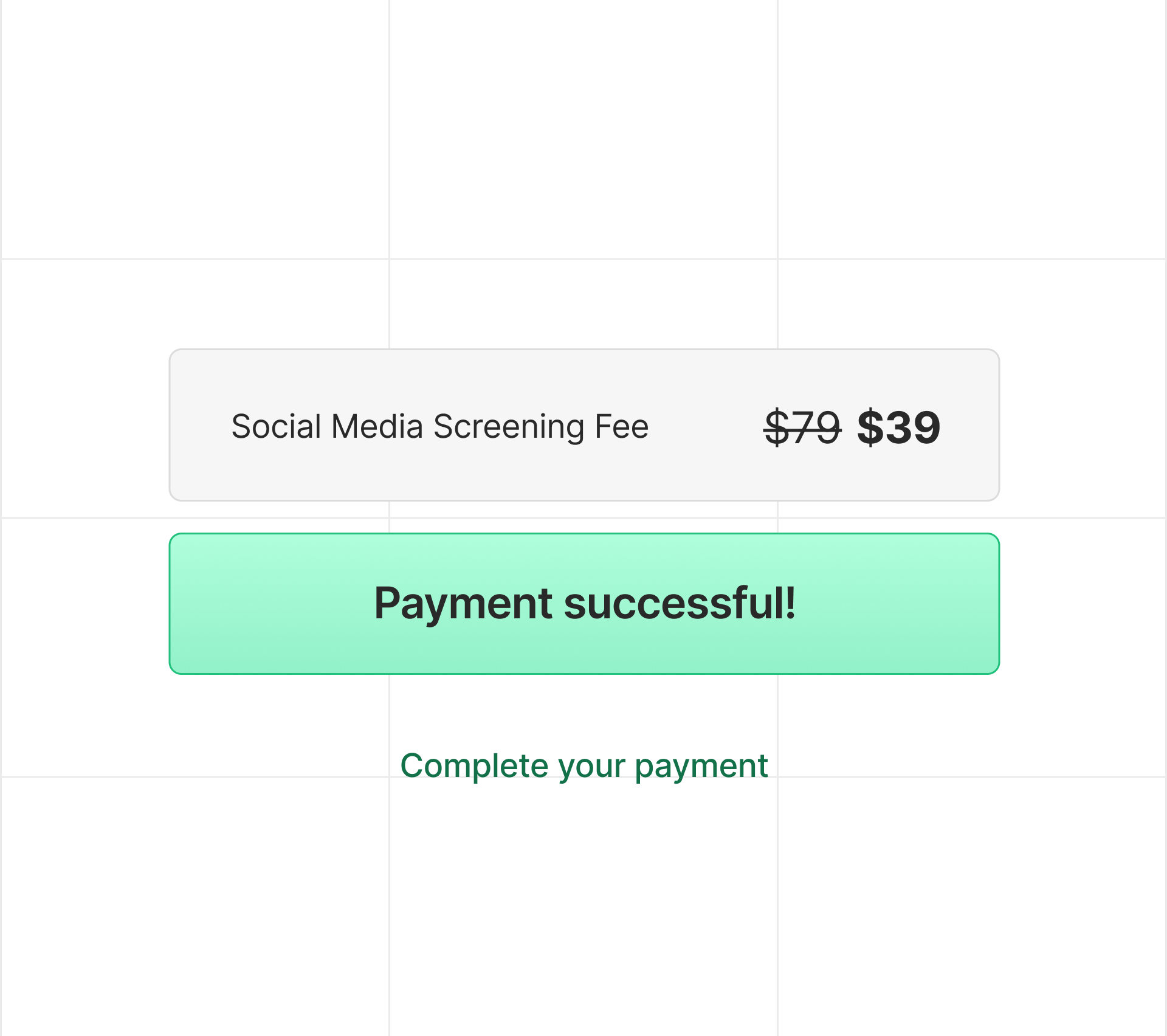
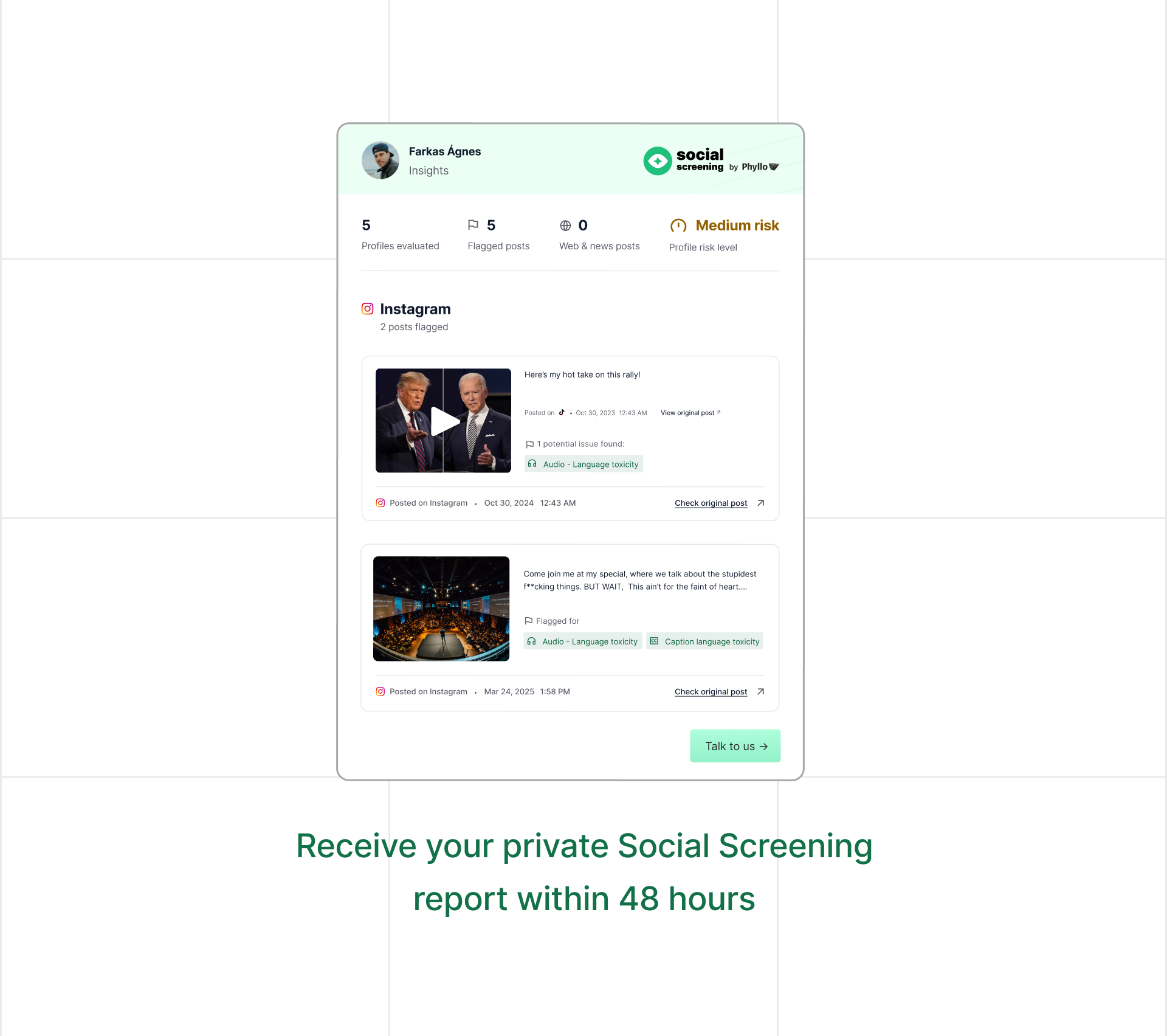
Submit your social media profiles for screening
.webp)


Act yourself before the government acts against you.


Frequently asked questions
1. Why should I screen my social media before a visa or immigration application?
U.S. government agencies actively review applicants' social media profiles during the visa vetting process. In 2024, over 2,000 secondary inspections at U.S. ports of entry included officer notes referencing "online activity concerns." Deportations and re-entry denials after visa approval increased 38% year-over-year. A pre-screening with Phyllo identifies content that could trigger flags — giving applicants time to review and address risks before an immigration officer does.
2. What types of social media content can cause visa or immigration problems?
Content that has caused real visa denials and deportations includes: strong political criticisms of government officials, support for controversial protests or movements, offensive jokes or memes (even posts from years ago), negative comments about U.S. immigration policies, posts referencing substance use, and anything interpretable as a security concern. Immigration officers often read content literally — sarcasm, satire, and jokes can be flagged without consideration of original intent.
3. Which platforms does Phyllo's visa screening cover?
Phyllo's visa screening covers six platforms: Instagram, Facebook, LinkedIn, X (Twitter), TikTok, and YouTube — the same platforms most commonly reviewed during U.S. government background checks. Each platform is scanned for text posts, images, audio content, and video — matching the scope of federal social media vetting procedures.
4. How far back does Phyllo's visa screening go?
Phyllo's visa screening covers up to 20 years of content history per platform — mirroring the timeframes typically used in U.S. government background checks. Historical content represents the highest risk category for visa applicants, since most individuals forget what they posted years ago on platforms they may no longer actively use.
5. How long does it take to receive a visa screening report?
Phyllo delivers visa screening reports within 24–48 hours. The AI scans all connected platforms in parallel, analyzing text, images, audio, and video content across the applicant's full posting history — covering up to 20 years per platform.
6. Is my screening data kept confidential?
Yes. Phyllo's visa screening report is strictly confidential — it is not shared with any government agency, employer, educational institution, or third party. The screening does not access, modify, or log into the applicant's social media accounts. Social media profiles remain untouched, and the completed report is delivered exclusively to the individual who requested it.
7. Which U.S. visa types is this screening relevant for?
Phyllo's visa screening is relevant for all U.S. visa categories where social media review may occur, including H-1B (specialty occupation), H-4 (dependent), F-1 (student), M-1 (vocational student), J-1 (exchange visitor), and green card applications. The screening is also relevant for individuals undergoing re-entry inspections, visa renewals, or status adjustment processes where online activity could be questioned.
8. Can U.S. immigration officers actually check applicants' social media?
Yes. U.S. Customs and Border Protection (CBP) and U.S. Citizenship and Immigration Services (USCIS) have legal authority to review publicly available social media content. The DS-160 visa application form explicitly requires applicants to disclose social media handles for platforms used in the past five years. Officers routinely review online activity during visa interviews, secondary inspections, and re-entry checks at ports of entry.
9. What does the visa screening report include?
Phyllo's visa screening report includes a platform-by-platform breakdown of flagged content, the risk category for each flagged item (political, violent, substance-related, sexually explicit and all necessary categories from visa applications' lens), the content type (text, image, video, or audio), direct links to every flagged post, and an overall risk assessment. The report provides a clear summary of what a reviewing officer would likely flag — enabling informed decisions about content removal or privacy settings.
10. What should I do if the report identifies risky content?
Phyllo's report provides actionable information for each flagged item. Applicants can review the content in its original context via direct links, adjust privacy settings as per the direction of the concerned authority on the relevant platform, or consult an immigration attorney for legal guidance. The goal is to provide visibility and control before a government officer makes their own independent assessment.
11. How much does Phyllo's visa screening cost?
Phyllo's visa screening is available at a promotional price of $39 per report (regular price: $79). This covers a comprehensive scan across all six supported platforms, up to 20 years of content history, per platform, and a detailed risk report delivered within 24–48 hours.
12. How do I get started with Phyllo's visa screening?
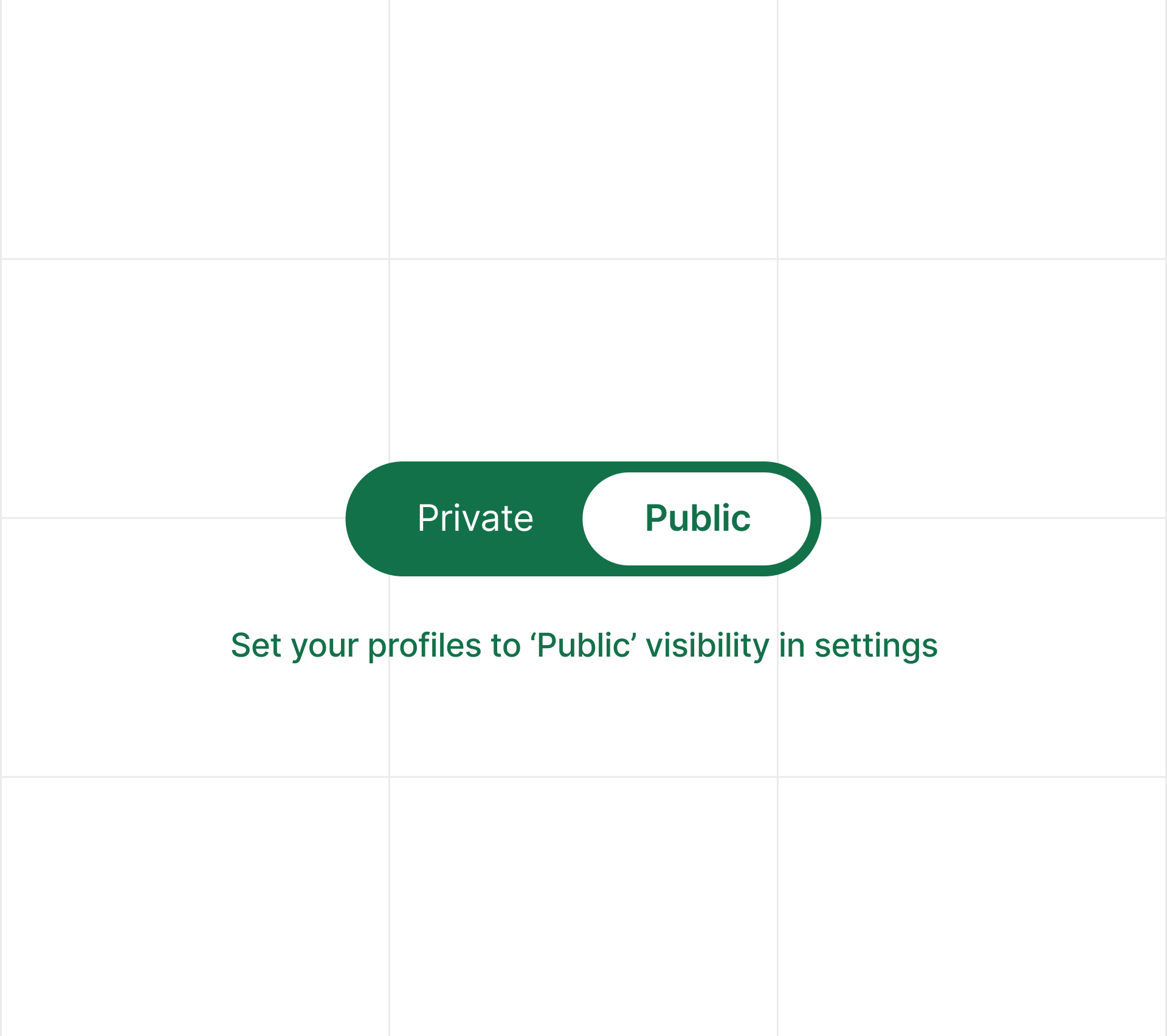
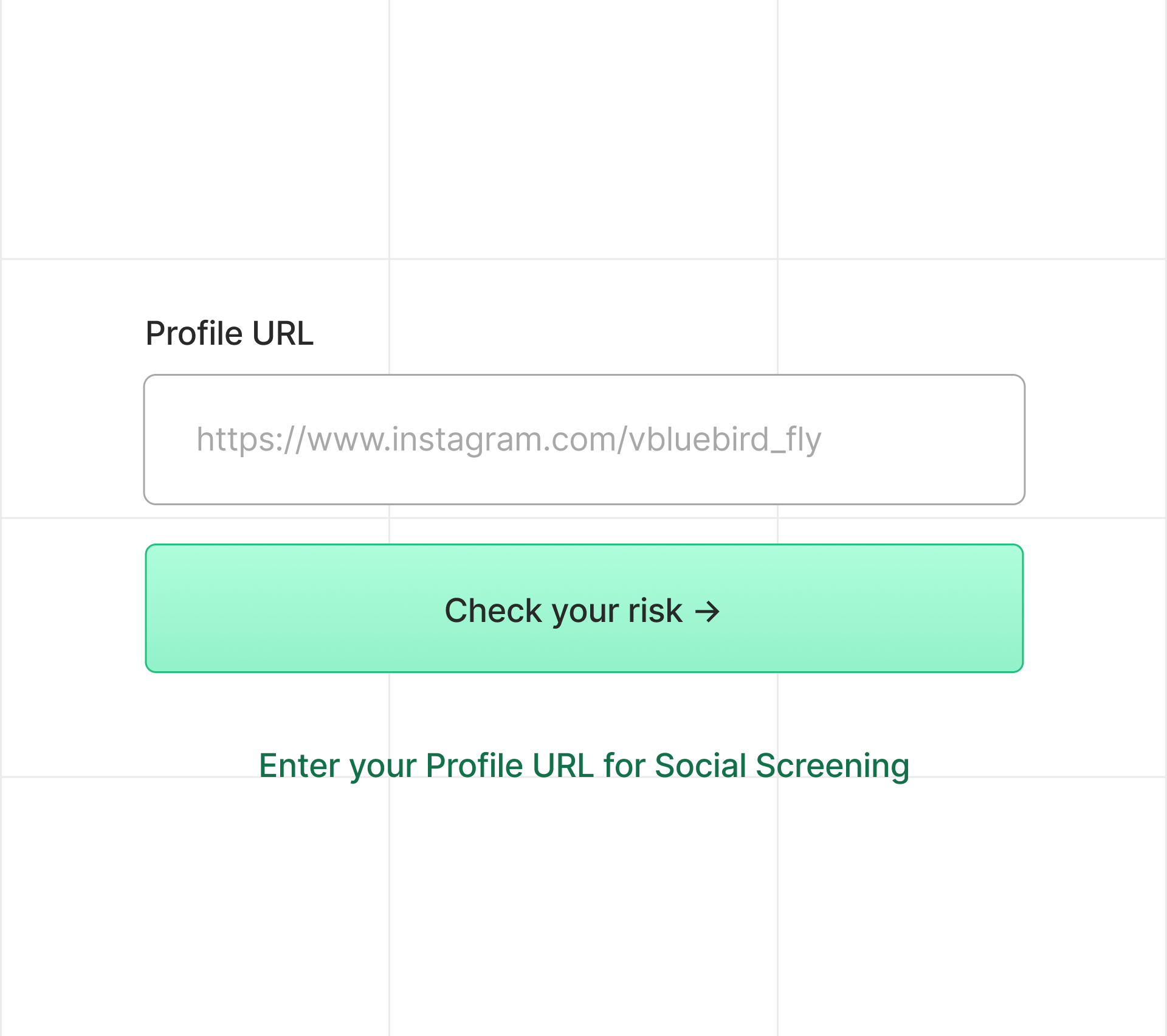
Applicants set their social media profiles to public, enter their profile URLs into Phyllo's screening tool, add personal information for identity matching, and complete payment ($39 promotional price). The screening report is delivered within 24–48 hours. A sample report is available for download before purchase so applicants can preview exactly what they'll receive.